Professional e-sign API for Digital Transactions
The Way E-Signature APIs Boost Digital Transactions and Business Efficiency
E-signature APIs play an essential role in streamlining digital transactions and boosting business efficiency. By streamlining the signing process, they eliminate the dependency on physical paperwork and empower users to finalize agreements on different devices. This integration not only streamlines workflows but also accelerates transaction times. As businesses continue to embrace these technologies, the impact on operational effectiveness grows more profound. Understanding these benefits leads to deeper insights into their transformative potential.
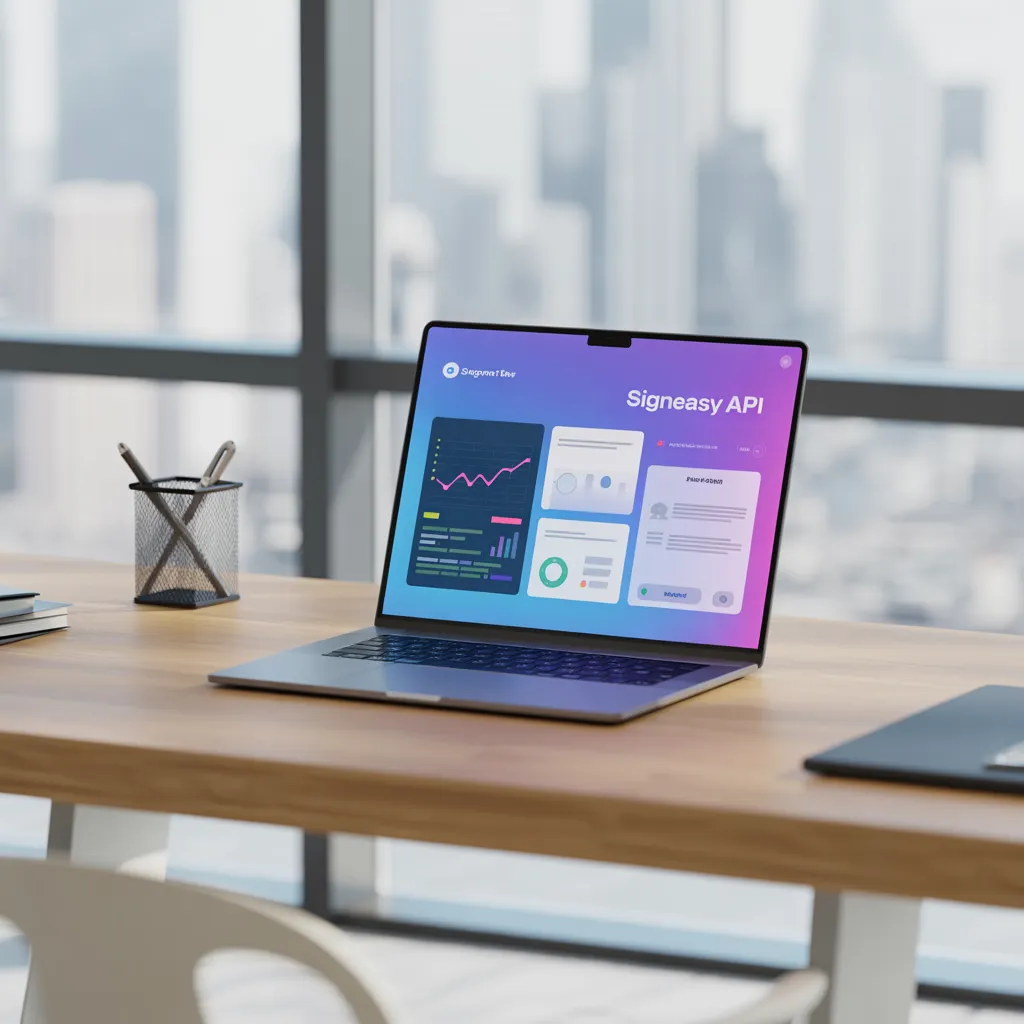
The Fundamentals of E-Signature APIs and Their Advantages
Electronic signature APIs have become increasingly recognized as crucial tools for contemporary organizations aiming to streamline their business operations. Such application programming interfaces enable organizations to embed digital signing features natively within their established workflows. By streamlining the digital signing workflow, e-signature APIs eliminate the need for physical paperwork, reducing time and costs associated with handling organizational paperwork.
Organizations experience improvements in enhanced turnaround times and more efficient workflows, as files can be signed remotely, at any time. Robust security capabilities, such as secure encryption and multi-factor authentication, also guarantee the integrity of the signed documents, which is essential for compliance and legal standards. Furthermore, e-signature APIs enhance user experience by streamlining the signing process, making it more accessible for clients and employees alike. As a result, organizations can focus on core activities instead of administrative tasks, ultimately leading to increased productivity and customer satisfaction.
How E-Signature APIs Streamline Transactions
E-Signature APIs streamline the document signing process by allowing users to execute agreements digitally, minimizing the dependency on traditional paper-based signatures. This solution advances workflow automation, facilitating faster transactions and minimizing delays associated with traditional methods. Consequently, organizations can function more effectively and address client requirements promptly.
Simplified Document Signing Process
Revolutionizing the standard approach to signing, electronic signature APIs offer businesses a streamlined way to process document transactions. By enabling electronic signatures, these APIs do away with the need for manual documentation, minimizing time and effort spent on handwritten signatures. Users can sign documents from any internet-connected device, facilitating faster document approvals and improving convenience. This optimized approach not only expedites the signing process but also reduces errors associated with traditional methods, such as lost documents or illegible handwriting. In addition, tracking and managing documents grows more straightforward, as e-sign APIs offer live status tracking and detailed audit trails. Overall, these capabilities lead to a significantly improved document signing experience for companies large and small.
Advanced Workflow Automation
The incorporation of e-signature APIs not only simplifies the document signing process but also improves overall workflow automation. By streamlining signature collection, organizations can minimize manual tasks that frequently hinder operations. E-signature APIs support effortless integration with established software systems, permitting real-time monitoring and status updates. This integration guarantees that all stakeholders are informed promptly, reducing delays and increasing accountability. Additionally, automated workflows reduce the likelihood of human error, ensuring that documents are handled accurately and efficiently. Therefore, companies can channel resources into more strategic projects, ultimately boosting overall productivity. Advanced workflow automation through e-signature APIs not only expedites transactions but also promotes a more adaptable business environment.
Incorporating eSignature Integrations Throughout Your Active Processes
Incorporating electronic signature APIs into existing workflows can substantially boost operational efficiency for businesses. By seamlessly integrating these APIs, organizations can simplify document signing procedures, minimizing the time and resources needed to collect signatures. This incorporation allows organizations to mechanize routine operations, such as dispatching notifications for pending signatures, thereby reducing bottlenecks commonly linked to manual signing processes.
Moreover, e-signature APIs provide the real-time monitoring of document status, allowing businesses to track progress and respond promptly. Such visibility strengthens collaboration between team members and clients, leading to faster decision-making. Furthermore, the capability to integrate e-signature functionalities seamlessly into existing software platforms ensures a seamless user experience, demanding little to no additional training.
Ultimately, implementing electronic signature APIs fosters a more flexible and adaptive business environment, allowing organizations to prioritize core activities while boosting customer satisfaction through faster transaction times.
Security and Regulatory Compliance Benefits of E-Signature APIs
E-signature APIs offer substantial security and regulatory benefits that are critical for modern businesses. These APIs utilize sophisticated encryption methods to protect sensitive data during transit, making certain that documents remain private and tamper-proof. Additionally, numerous e-signature platforms include two-factor authentication, introducing an additional security layer to authenticate the identity of document signers.
Adherence to global standards, such as the European eIDAS and the American ESIGN Act, is further supported by digital signature APIs. These regulatory frameworks establish legal validity for e-signatures, permitting organizations to operate across borders with confidence. Furthermore, electronic signature APIs frequently feature audit trails that provide a detailed documentation of the signing procedure, enhancing accountability.
Electronic Signature Success Stories
E-signature APIs have transformed business operations across various industries, leading to notable success stories. Businesses have reported more efficient contract approvals, enhanced remote workflows, and considerable savings in paperwork costs. These advancements underscore the measurable advantages of incorporating e-signature solutions into daily operations.
Efficient Contract Approvals
The implementation of e-signature solutions has reshaped the landscape of contract approvals throughout diverse fields. Companies have reported considerable improvements in turnaround times, transitioning away from traditional paper-based processes to rapid digital sign-offs. As an example, a leading real estate firm demonstrated a 70% improvement in contract approval time, facilitating quicker deal completions and improving client satisfaction. In the same vein, a global consulting agency streamlined its approval process, enabling rapid onboarding of new clients. Through automated notifications and monitoring tools, stakeholders can easily monitor the status of documents, promoting responsibility and clarity. Overall, these e-signature success stories highlight how digital solutions drive productivity, ultimately leading to improved organizational agility and competitiveness in an ever-evolving market.
Optimized Remote Working Systems
Numerous organizations have seen remarkable improvements in their distributed work environments due to the implementation of e-signature solutions. To illustrate, a prominent real estate company documented a 50% drop in transaction durations after implementing e-signatures. By permitting clients to sign agreements from anywhere, the organization eliminated the need for in-person meetings, consequently speeding up the closing process. Likewise, a financial services provider recognized notable enhancements in client satisfaction, as clients could digitally sign agreements whenever it suited them. This flexibility not only streamlined operations but also encouraged see now a more agile approach to addressing client requirements. In summary, the integration of e-signature APIs has equipped businesses to operate more efficiently, improving efficiency and teamwork in virtual work environments.
Reduced Paperwork Costs
Cost savings have become a notable advantage for businesses adopting e-signature solutions. By removing the dependency on paper-based documentation, organizations can greatly reduce printing, storage, and mailing costs. For instance, a medium-sized company documented a 30% reduction in operating costs after integrating e-signature APIs into their workflow. This shift not only optimized document processes but also lessened ecological impact, supporting broader sustainability objectives. Additionally, organizations noted quicker transaction completion, resulting in faster revenue realization and improved cash flow. Success stories abound, with several organizations highlighting greater client contentment owing to the simplicity of digital signing. Overall, the decrease in documentation expenses underscores the economic advantages of adopting e-signature solutions in contemporary operations.
Future Developments in E-Signature Technology
As businesses increasingly embrace digital innovation, the future of e-signature technology is set for remarkable progress. Recent developments point to a stronger integration of advanced AI and ML capabilities, improving authentication methods and fraud prevention. Such innovations will enhance user interactions by streamlining verification processes and delivering instant risk evaluations.
Furthermore, the rise of blockchain technology promises to offer unprecedented transparency and security in e-signatures, making transactions permanent. This could result in greater trust across users and stakeholders in multiple industries.
Additionally, a transition towards mobile-focused platforms is expected, with e-signing platforms becoming more usable on smartphones and tablets. This development will support smoother transactions in an increasingly mobile-driven world.
Finally, regulatory changes worldwide are expected to further support digital signatures, prompting more organizations to implement these tools. In summary, the future outlook of e-signature technology is expected to elevate security, efficiency, and user convenience.
Frequently Asked Questions
Are E-Signatures Legally Binding in All Countries?
E-signatures are considered legally enforceable in numerous countries, including the United States and European Union member states. However, regulations differ depending on the jurisdiction, so it is important to check your local laws concerning e-signature validity.
How Do E-Signature APIs Handle Multiple Signers?
E-signature APIs support multiple signers by enabling sequential or simultaneous signing. These APIs manage signer permissions and roles, making sure documents are accurately routed, tracked, and safely signed, which improves efficiency and collaboration in a variety of workflows.
What Are the Typical Costs Associated with Implementing E-Signature APIs?
The standard cost of integrating electronic signature APIs is typically between $10 to $50 per user per month, subject to the provider and features. Extra expenses may include integration, training, and maintenance, impacting overall expenditure.
Can E-Signature APIs Be Used for International Transactions
Certainly, e-sign APIs can be used for international transactions, enabling secure and legally recognized agreements across borders. They optimize processes, maintaining adherence to diverse regulations while boosting productivity in worldwide business activities.
How Can I Select the Best E-Signature API Provider?
Identifying the most suitable e-signature API solution necessitates evaluating security protocols, regulatory compliance, the user interface, integration potential, customer support, and pricing. Examining these considerations verifies the chosen provider satisfies your specific business needs and improves efficiency.